Protein Bars: When to Use Them, What to Look For, and Our Top Picks
Protein bars can be useful supplements but should not replace whole‑food meals. They are most appropriate as on‑the‑go snacks or post‑workout fuel when designed with balanced macronutrients and minimal added sugars. Below we outline key selection criteria and recommend proven brands that meet these standards.
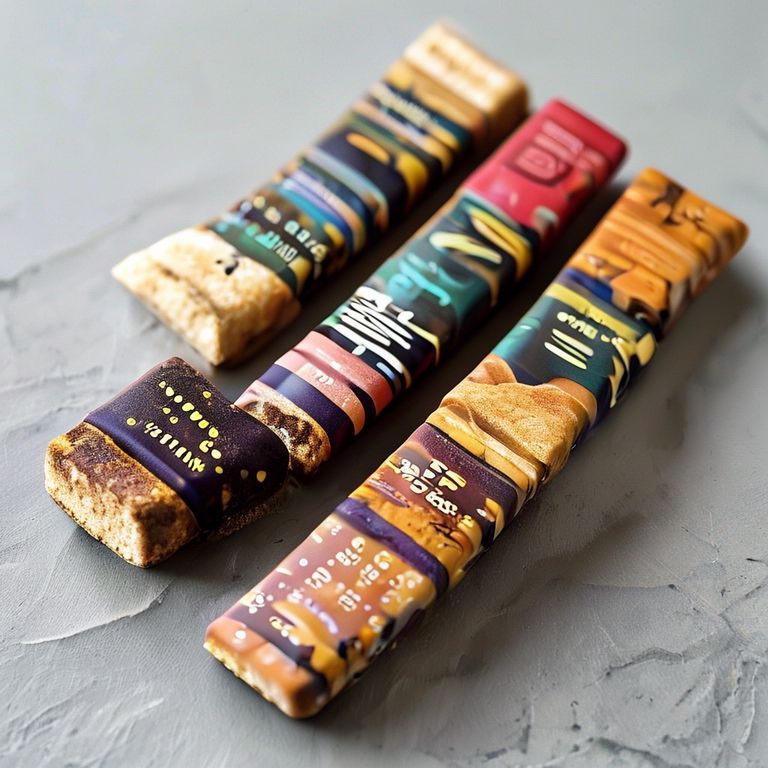
Protein bars are convenient, single‑serve snacks that can help fill a temporary nutrition gap—particularly when whole foods are unavailable or a busy schedule limits the opportunity for a full meal. They are not intended to be meal replacements. Even the best‑labelled bars are limited by the absence of the diverse fiber, healthy fats, vitamins, and minerals that a balanced diet provides, a point emphasized by registered dietitians and nutrition experts.
### What to Examine on the Nutrition Label
- **Serving Size** – Confirm that the nutritional data refers to one entire bar. Most bars use a 1‑bar serving, but discrepancies do occur.
- **Calories** – A typical snack falls in the 200‑calorie range. If a bar is being used as a meal substitute, calorie content may range closer to 350, but the label alone does not guarantee a balanced meal replacement.
- **Protein** – Ideal protein bars deliver 10–20 g of protein. Sources such as whey (milk), soy, peas, or nuts each provide complete or high‑quality protein.
- **Fiber** – A fiber content of about 5 g per bar, derived from whole‑food ingredients like nuts, seeds, or oats, helps stabilize glucose, promotes satiety, and aids digestion.
- **Added Sugars** – Aim for 5 g or less. Added sugar can turn a protein bar into a candy bar. Look for natural sugars from dates or fruit and keep artificial sweeteners to a minimum.
- **Fats** – Prefer bars that use whole‑food fats (nuts, seeds, or natural oils) over hydrogenated or partially hydrogenated oils.
### Common Ingredient Pitfalls
- **Long, obscure ingredient lists** signal unnecessary additives.
- **Sugar alcohols** (erythritol, maltitol, sorbitol) provide fewer calories but can cause bloating or GI discomfort when consumed in higher amounts.
- **Artificial colors, flavors, or sweeteners** offer no nutritional benefit and may degrade the bar’s overall quality.
### How to Position Protein Bars in Your Routine
- **Between meals** – Ideal for bridging long gaps or preventing blood‑sugar dips.
- **Post‑workout** – Quick source of protein when a full meal isn’t possible; it can supplement a later balanced meal.
- **Not a meal replacement** – Whole foods still provide micronutrients, antioxidants, and complex carbohydrates that bars simply cannot replicate.
### Recommended Bar Selection
| Category | Brand & Model | Protein | Fiber | Added Sugars | Calories |
|---|---|---|---|---|---|
| Overall Best | **RxBar Classic 12 g** | 12 g | 5 g | 0 g | 200 |
| High‑Protein | **David’s Protein Bar Variety 6‑Pack** – Peanut Butter Chocolate Chunk | 28 g | 1 g | 0 g | 150 |
| Gluten‑Free | **Perfect Bar Variety Pack** – Peanut Butter | 17 g | 3 g | 19 g | 340 |
**RxBar** stands out for its minimal, whole‑food ingredient list, using egg whites for complete protein, dates for binding, and a blend of nuts for texture. Its zero added sugars and moderate caloric load make it a solid choice for an on‑the‑go snack.
**David’s Protein Bars** are celebrated for their high protein values; the Peanut Butter Chocolate Chunk variant combines an attractive mix‑in profile with a chewy consistency, all while maintaining zero added sugars.
**Perfect Bar** offers a gluten‑free, peanut‑butter‑centric product that delivers a punch of protein and calories—ideal for athletes needing dense nutrition, albeit with higher added sugars and the need for refrigeration.
### Frequently Asked Questions
**When is the best time to consume a protein bar?**
- Between meals when a light, satiating snack is required, or immediately post‑exercise if timely nutrition is essential.
**What future testing are we focusing on?**
- We continue evaluating bars on nutrient density, gut tolerance to sugar alcohols, and long‑term health impact of high protein intake on varied lifestyles.
By approaching protein bars with a clear understanding of their strengths and limitations—and by selecting products that align with rigorous nutritional standards—you can integrate them effectively into a balanced, performance‑oriented diet.