From Human‑Centric Design to Dark UX: A Chronicle of the Web’s Metamorphosis
The web’s evolution over the past decade has moved from earnest, user‑centric design to a landscape increasingly shaped by AI, Dark UX tactics and a growing sense of digital fatigue. By examining key moments—from the advent of AI‑generated content to the rise of algorithmic manipulation and the existential risks of deepfakes—this article provides a comprehensive overview of how user experience has been redefined. It examines both the psychological impacts on users and the engineering challenges that developers face in maintaining ethical, trustworthy, and engaging platforms.
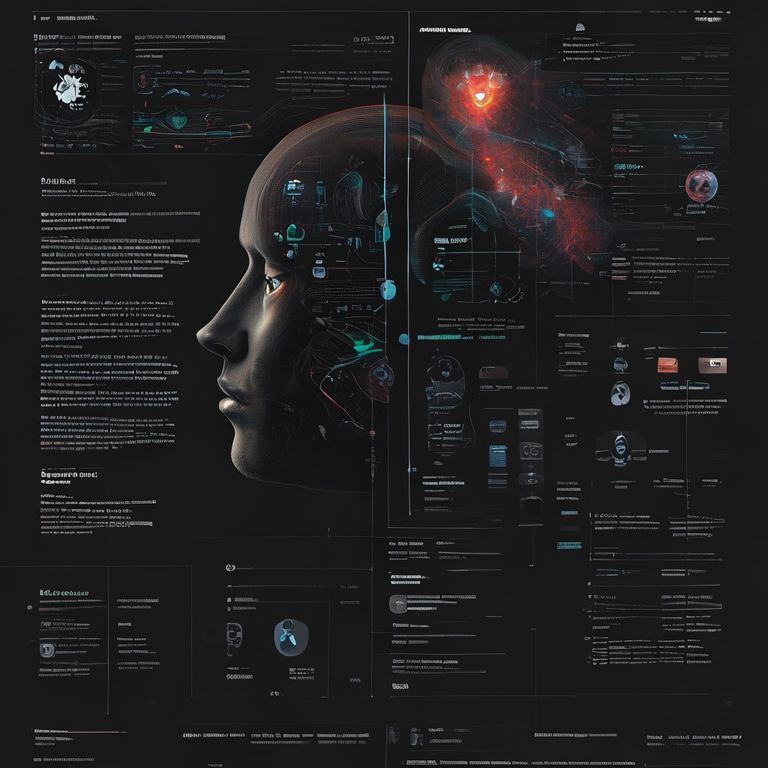
In the early years of the internet, web designers sought to create intuitive, human‑centric experiences. The interface was a direct dialogue between creator and user, where information architecture and usability were paramount. 2023 saw the launch of a number of sites boasting advanced personalization—fancy overlays that promised to show users how they might look in the future or how particular styles would translate to other demographics. Those early experiments set the stage for what would become an industry obsession with predictive user data.
By mid‑2024, however, a darker undercurrent began to emerge. The phrase “Dark UX” entered technical lexicons to describe a set of design and engineering practices that prioritize conversion metrics over user well‑being. Articles began to detail how seemingly innocuous features—such as infinite scroll, micro‑interactions that trigger emotional responses, or subtle nudges that manipulate decision points—could accumulate into “psychological fatigue.” This fatigue manifests as lowered attention spans, increased anxiety, and a growing mistrust toward web interfaces.
The rapid uptake of artificial intelligence exacerbated these trends. In late 2024, the emergence of large language models (LLMs) and generative AI meant that websites could no longer simply curate static content; they could generate dynamic, personalized narratives in real‑time. While offering powerful new tools for engagement—think AI‑powered chatbots or automated content creation—these models also opened the door to deepfakes, hallucinations, and misinformation. A 2025 report highlighted incidents where AI‑written “whitepapers” provided false data, leading to user misallocation of time and resources.
Beyond the technical, the social fabric of the web also shifted. Users who once found solace in forums, niche blogs, and shared storytelling communities began to feel that authenticity was eroding. Instead of safe communities, there were now “micro‑echo chambers” engineered by recommendation algorithms, pushing content that satisfied instant gratification at the cost of diverse thought. The rise of “AI‑therapists” and automated support bots further blurred the line between human empathy and scripted conversation, leading many to question the depth of the connection.
From an engineering perspective, maintaining an ethical, trustworthy website in the age of AI requires a multi‑layered approach:
1. **Robust Data Governance** – Clear policies about data collection, usage, and consent. Transparent explanation of how AI models are trained on user data.
2. **Explainability and Auditing** – Regular audits of AI‑generated content to detect hallucinations or bias, coupled with tools that explain decision pathways to developers.
3. **User‑Centric Design Ethics** – Application of Dark UX frameworks to identify manipulative patterns and re‑engineer them for genuine value.
4. **Security and Privacy by Design** – Implementing end‑to‑end encryption, differential privacy, and regular penetration testing to prevent leaks that could be exploited by AI.
5. **Continuous Monitoring of User Feedback** – Leveraging real‑time sentiment analysis to identify spikes in frustration or negative sentiment.
Looking forward, the industry must strike a balance between the compelling possibilities offered by AI and the human need for trust, clarity, and dignity. The trajectory of the web appears to be a pendulum swing— from user‑first design, through an era of algorithmic manipulation, to an era of introspection and recalibration. By embracing transparent practices, robust ethical frameworks, and continuous user engagement, developers and platform architects can steer the internet toward a future where technology amplifies human experience rather than erodes it.
As we move deeper into the digital age, understanding this evolution is not merely academic; it is a call to action for all stakeholders—designers, engineers, policymakers, and users—to write the next chapter of the web together, ensuring it remains an open, trustworthy, and human‑centric arena.