CES 2026: AI Saturation and the Quest for Software Maturity
At CES 2026, artificial intelligence has become a ubiquitous but crowded feature across consumer devices, prompting a shift in focus toward software quality and user experience. While vendors compete to embed AI in wearables, home appliances, and vehicles, the real differentiator will be how well these systems integrate and deliver value to consumers.
The New Year’s Eve champagne has yet to warm, yet the world’s leading consumer‑tech gathering has already begun in Las Vegas. CES—Consumer Electronics Show—opens its doors on the first full week of January, drawing manufacturers, startups, and investors from every corner of the globe to showcase their latest products and technologies.
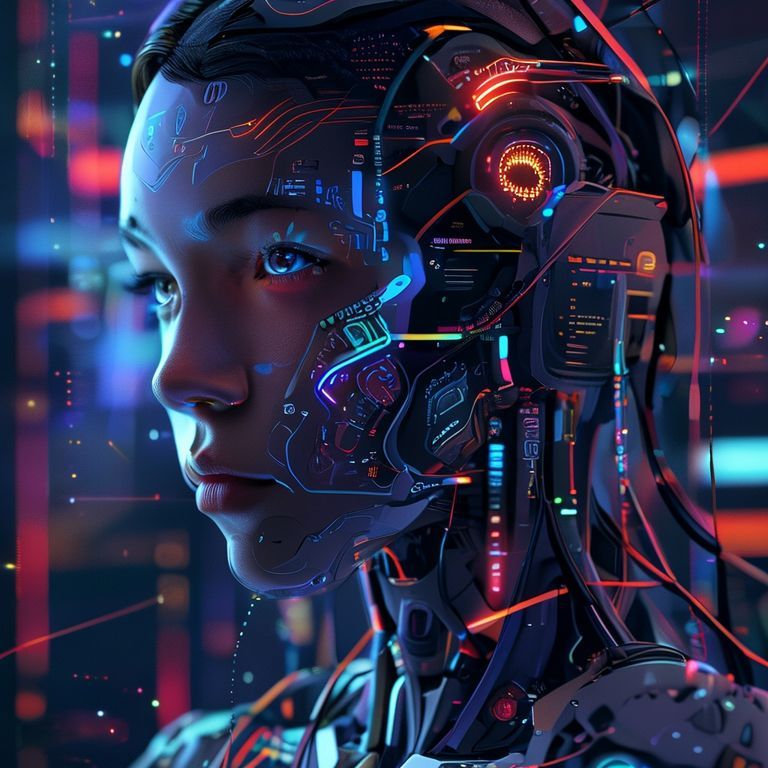
This year’s event is no exception in its obsession with artificial intelligence. For the third consecutive year, AI is the headline of every announcement. From chatbots and computer vision to intelligent sensors, companies are striving to embed AI into every new device, whether it’s a smartwatch, a smart speaker, or a next‑generation automobile. The result, however, is a form of market saturation: products share similar AI capabilities, making it increasingly difficult for consumers to distinguish one brand from another.
“It’s a software‑maturity story,” says Anshel Sag, principal analyst at Moor Insights & Strategy. “Once the technology is available, differentiation comes down to how well the software is executed.” Sag warns that the loud claim of “AI” alone no longer drives consumer interest. Instead, a product’s real value will depend on its user experience, integration, and reliability.
Smart glasses, for instance, are poised to headline the wearable segment at CES 2026. New entrants promise voice‑activated chatbots, crisp displays, and instant translation—features all of which Meta has already refined to market leadership. In a crowded space, the winner will be the brand that delivers the most seamless interaction rather than the one with the fanciest hardware.
Beyond wearables, AI is expected to pervade more everyday products. Earbuds and headphones will incorporate intelligent noise cancellation and conversational interfaces, while smart clothing will leverage embedded health sensors. Health‑tech innovations will use AI to interpret biometric data from rings, wristbands, and even unconventional sensors such as toilets, bath mats, and wearable bras.
The smart‑home ecosystem is also expanding. Existing AI‑driven vacuums and security cameras will give way to new AI‑enabled appliances—including refrigerators that monitor inventory and manage grocery lists, and garage door openers that identify authorized vehicles.
OpenAI’s foray into consumer hardware adds an extra layer of anticipation. The company has indicated that its next consumer devices will include a home audio player and a note‑taking pen, though these are not expected until at least 2027. Investors and enthusiasts alike are watching closely to see whether OpenAI’s approach will shift industry expectations.
Automotive makers continue to treat CES as a critical showcase. While many vehicles on display remain concept‑phase prototypes, they reveal a clear trend: in‑car AI powered by large language models, cameras, and machine learning is moving from simple infotainment tasks to predictive and autonomous functionalities. Future cars will likely feature contextual radio control, charging‑station guidance, and safety features that anticipate driver behaviour.
CES 2026’s timeline is straightforward. The event begins with media previews on Monday, January 5, followed by the official expo hall opening on Tuesday, January 6. The bulk of product announcements typically occur across the first two days, though the exhibition runs through the end of the week, offering ample time for industry journalists and technologists to absorb the latest developments.
In sum, 2026’s CES illustrates that while AI has become a ubiquitous adjective in consumer tech, real differentiation will hinge on the maturity of the underlying software and the quality of the user experience. Companies that can demonstrate reliable, context‑aware AI will position themselves ahead of the pack in a marketplace where AI has become the norm rather than the differentiator.